


 Previous
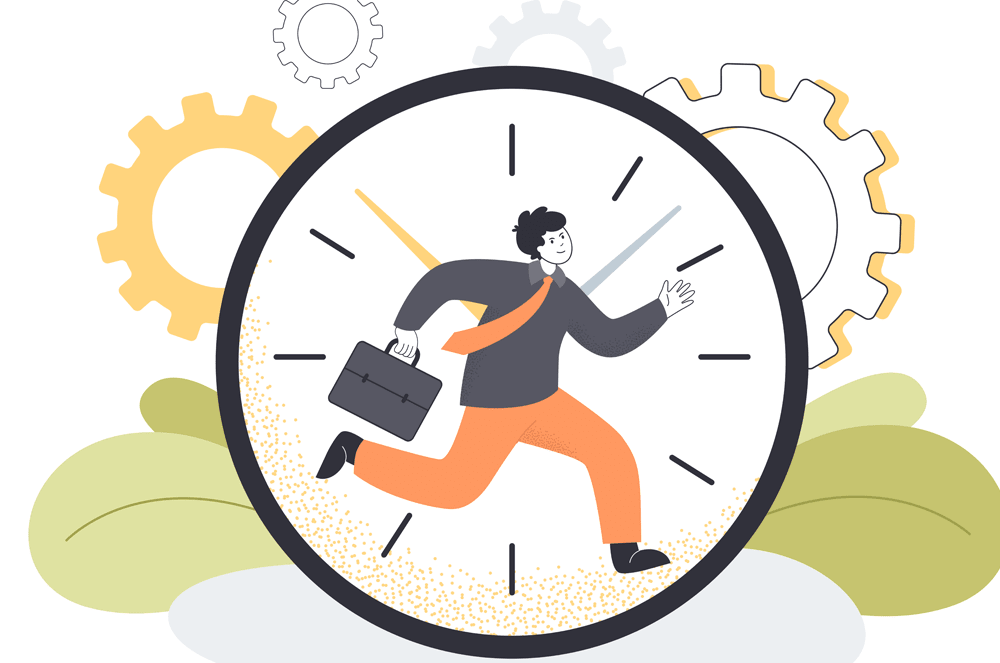
In our fast-paced world every minute is accounted for—weekly schedules, workplace demands, family support. In the midst of that chaos, how often do you check in on your own time and energy? If you’re not operating at your best, how productive are you really? If your energy is low, how can you be effective?
How you manage your time, energy, and internal state shapes your career success just as much as any operational strategy. I have worked in corporate learning and development for 15 years, and have seen numerous individuals feel as though they were constantly running to keep up with work. Were they underqualified for the job? Did they lack motivation? No. It was about their ability to time manage and understand their energy zones. Once they gained that awareness, they could combine it with elevating their organization, asking for clarity on prioritization, and using their energy to perform more effectively on the job.
While many people focus on performance metrics, few regularly assess their own internal state. Self-awareness begins with a simple but powerful question: Where is my energy going?
This doesn’t mean a week-long retreat or hours of journaling. It could be as practical as noticing how your mood shifts after back-to-back meetings, or how often you skip lunch to continue working. These small, unnoticed patterns accumulate, and so does the burnout they invite.

Listen to The Toastmasters Podcast to hear more from Ambeka Khadse.
A Simple Practice
One effective practice is an energy audit. For one week, take a minute at the end of each day to jot down what (if anything) drained you today, and what (if anything) energized you today.
Patterns will emerge. Maybe a weekly team meeting is chaotic without a clear agenda. Maybe your best ideas come after your morning walk, but you’ve been skipping it to get to the office earlier. Awareness is the first step toward intentional change.
At the end of the week, take 15 minutes to do a deeper dive of your energy:
- List out everything you do in an average week. Include sleeping, working, eating, exercising, socializing, etc.
- Approximate how many hours you spend weekly in each area.
- Put a star by all the activities you’ve listed that bring you joy and energize you.
- Put an X near all the activities that drain you and leave you exhausted.
From this analysis, lay out a productive day for you. What is the right balance of “need to do” and “choose to do” items for you this month? This may vary month to month or seasonally; it’s a good idea to do a personal energy audit quarterly to see where your time and energy are going and if there are any adjustments you need to make.
Building Habits
Awareness is a valuable starting point, but awareness without action is just observation.
Turning awareness into meaningful change requires action. This doesn’t have to mean grand gestures. It starts with small, intentional steps. When practiced consistently, these steps become daily routines, and over time these routines turn into lasting habits. Here are some examples:
Mental Well-Being
- Awareness: Noticing that you feel less overwhelmed or anxious on days that include physical movement.
- Action: Start a daily 5-minute stretch or walk. Set a daily reminder on your phone for a time that works—when you wake up or before bed or a 3 p.m. walk.
- Habit: Daily movement becomes second nature and helps manage stress.
Relationships
- Awareness: Realizing you haven’t been talking to or spending time with friends or family often even though it brings you great joy.
- Action: Schedule calls as though they are meetings. We are more likely to speak with someone if it’s already on our calendar. Maybe every Wednesday from 7-7:30 p.m. you “book” time with a different friend or family member.
- Habit: Those calendared communications become integrated into your week.
When we lose our grounding, we often become more stressed. Under stress, our brains resort to making decisions based on what we experienced in the past as that requires less cognitive load than diving into new data. But what we’ve done in the past may not always be the best way forward. Auditing your energy, creating new habits, and breaking out of the old ones allow for better focus.
When you are grounded, those around you feel it. Former U.S. Surgeon General Jerome Adams conducted a study that found workplace well-being is closely linked to employee health, engagement, productivity, and improved performance. According to an article on Indeed, employee wellness is also a key factor in attracting new talent, improved morale, and decreased stress and health care costs.
When you know where your energy is going, communication becomes clearer. Emotional tone stabilizes. When we operate from a place of awareness and care, we model those behaviors for others, creating a ripple effect to those we interact with daily.

Share this article


Ambeka Khadse is a talent development leader, inclusion advocate, wellness enthusiast, and founder of The Flourish Compass. She is Vice President Education of Toast of Queens in Bayside, New York.
 Previous Article
Related Articles
Personal Growth
Are Your Behavioral Patterns Causing Burnout?

Personal Growth
Self-Care Is Part of the Program

Goal Setting