
 Previous
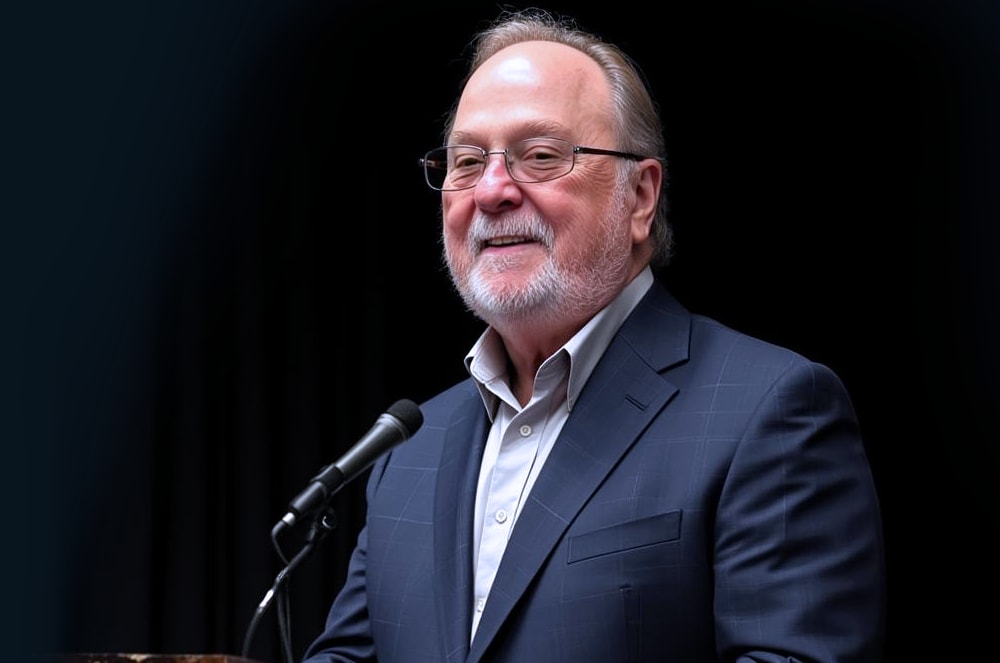
Since Bill Metrey, DTM, first joined Dan Patch Toastmasters Club in 2003, he has seen the club go from 50 members down to a low of 14, only to jump to 26 in a short period of time. What was the secret behind that rebound? Speechcraft—one of Toastmasters’ most effective membership boosters and one of its best-kept secrets.
Speechcraft introduces non-members to the Toastmasters experience in a structured, multi-session format, often leading them to continue their communication and leadership journeys as members of the presenting club—with some projects in a Base Camp path already completed.
At the same time, members who help present the course find their own skills and confidence growing; for the program coordinator, it also satisfies a significant requirement toward achieving the Distinguished Toastmaster award.
Metrey, of Minneapolis, Minnesota, had never heard of Speechcraft when a fellow club member suggested it as a way to boost falling membership. Seventeen participants started in the program presented by Dan Patch Toastmasters Club, and when it ended, eight became members.
“It brought us over the 20-member mark [for Distinguished Club status], and today our club is thriving,” says Metrey, who went on to become the Speechcraft coordinator for District 6 in 2024–2025.
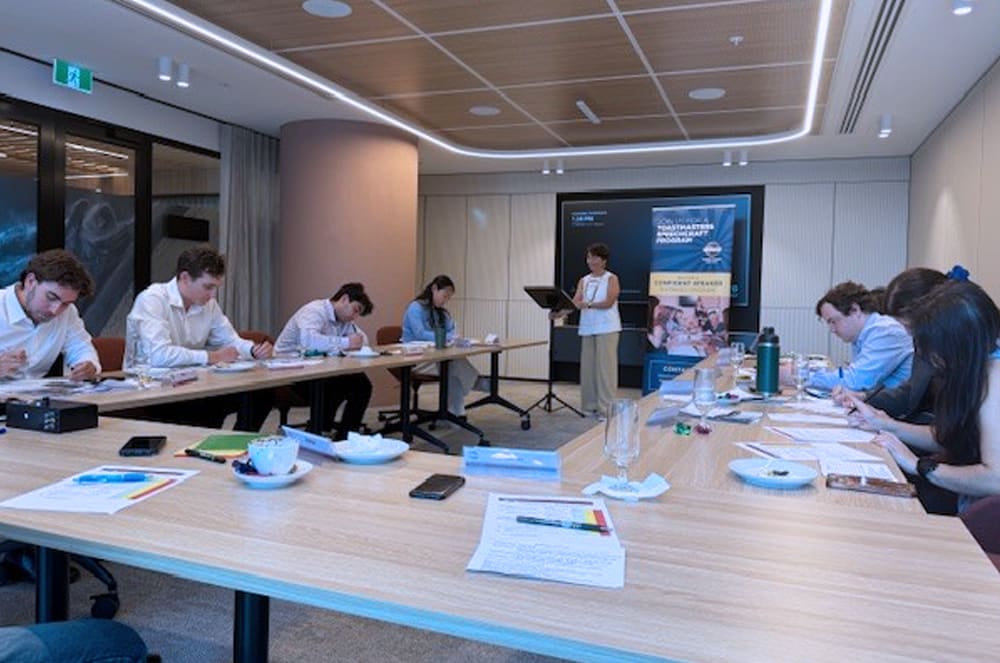 Juliana Kelly of District 17 presents a Speechcraft session.
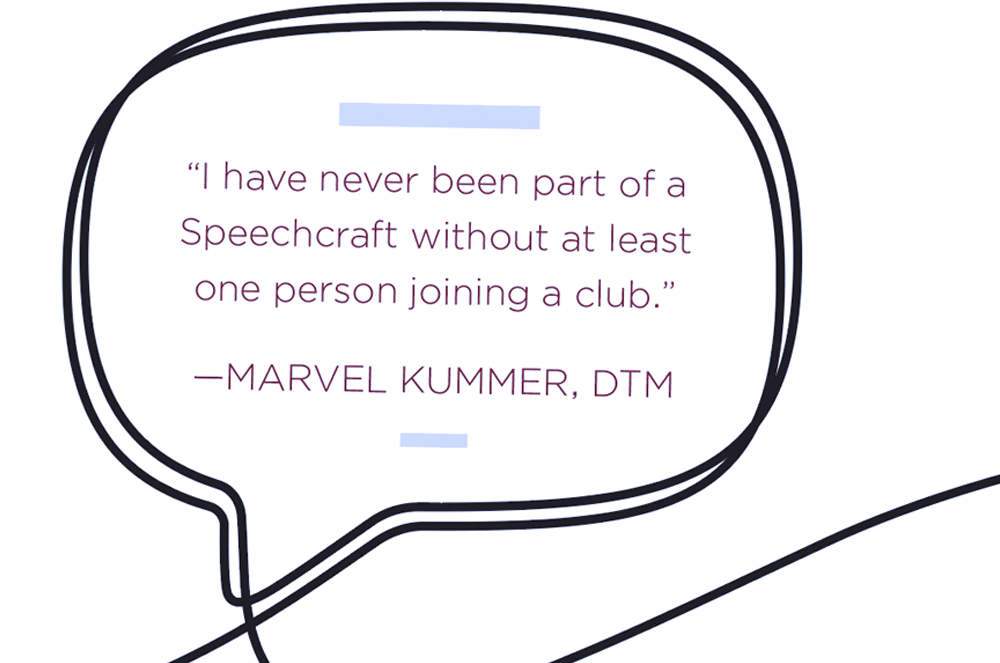
That’s not unusual, says his successor, Marvel Kummer, DTM, a member of Speakers After Hours near Minneapolis. “Not everyone joins a club after completing a Speechcraft,” she says, “but I have never been part of a Speechcraft without at least one person joining a club.”
The benefits go far beyond numbers, however. “You get leadership training and mentorship training, and it builds bonds and enhances friendships within the club,” Metrey says. “Just a myriad of things.”
Implementing Speechcraft
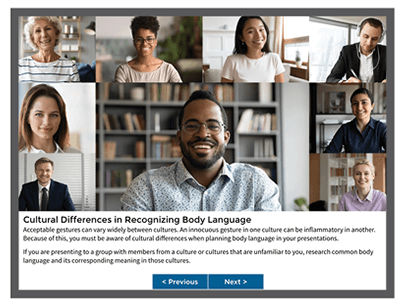
Depending on available time, resources, and what the coordinator hopes to accomplish, the program is conducted in four, six, or eight sessions. Each session is organized like a traditional club meeting, but with a specific focus: choosing a topic, giving and receiving feedback, vocal variety, body language, and more. Members give presentations on the session’s topic and mentor the Speechcrafters, who then deliver a speech at most of the sessions, incorporating what they’ve learned.
Club members run the program, but many Districts have Speechcraft chairs who give guidance and support. Kummer, for instance, offers District 6 members a slide deck running through the basics and pointing to resources like YouTube videos created by members.
“The [coordinator] has a lot of work,” points out Juliana Kelly, Speechcraft chair for District 17 (Western Australia). “There are some real leadership challenges, and you have to know the material.” Speechcrafters may get nervous and cancel or have spotty attendance. However, for Kelly, those concerns are far outweighed by the benefits to those participating.
“People gain confidence they’ve never had, and with the confidence, they’re able to articulate their words,” she says.
Kelly has seen the program transform participants in prison-based Gavel Clubs, where women, especially, are empowered to tell their stories after a lifetime of being marginalized and discounted. “They come in with nothing, and have been put down all their lives, and come out motivated to do something of value for themselves and the people around them.”
It impacts the men as well. One incarcerated man’s story still sticks with Kelly.
“He said, ‘I just can’t believe that I don’t get in trouble with the guards anymore since Speechcraft.’ I said, ‘Patrick, it’s because you’re using words and not yelling at them anymore.’” He’s still in prison but has continued to work in the Speechcraft program with other men there.
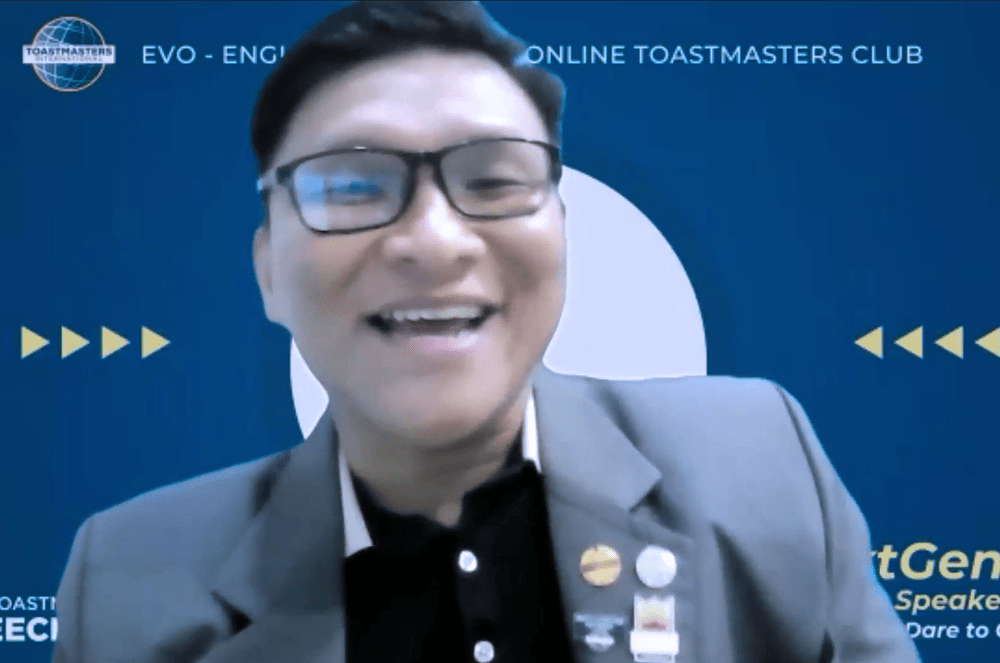 Hieu Phung of District 97 talks to Speechcrafters about the benefits of joining Toastmasters.
Spreading the Word
Finding Speechcrafters isn’t a problem for clubs in District 17, which has scheduled programs well into 2026. Nor is it an issue for The Colombo Toastmasters Club in Colombo, Sri Lanka, which frequently gets calls from companies eager to have their employees learn better speaking and organizational skills.
Club President Purnima Gunasekera recalls a clothing manufacturer whose morning meetings were poorly attended by sectional (department) heads. “They would drag on for a few hours, which was a waste of time,” he explains. “After [employees participated in] the Speechcraft program, they implemented a round-robin format which helped them to finish their meetings in less than an hour, as each head got only five minutes to present their updates. It motivated the sectional heads to participate in morning meetings daily, which in turn improved the productivity of the company.”
“You have to understand the objectives of your Speechcrafters or the organization that has invited you,” he says. “What do they want to accomplish?” The company’s human resources department can help with that, as well as by publicizing the course to all employees.
Metrey also belongs to the V.A.M.C. Toastmasters Club, which meets in a large medical facility in Minneapolis, but uses all the marketing channels they can, from the center’s employee newsletter to social media, community bulletin boards, and word of mouth.
Positioned With Purpose
It’s because of Speechcraft that marketing executive Sheryl Roush is a Toastmaster. Nearly 40 years ago, she attended an introductory session to see if it could help sharpen her communication skills at work, and was hooked. Today, Roush is a Distinguished Toastmaster, an Accredited Speaker, and a passionate Speechcraft supporter. She has delivered numerous webinars and keynotes on Speechcraft. “I can attest—and advocate—to the power of the program, especially inside a club,”she says.
Roush believes Speechcraft coordinators need to think bigger when promoting the course. The program has what’s needed in uncertain economic times like these, appealing to the many unemployed professionals who need to get back into the workforce.
“We need to sell the benefits that the new member will get from Speechcraft and then from joining a club,” says Roush, of Binghamton, New York, a member of Professional Speakers in District 101 and AS We Speak in District 26.
The word “Speechcraft” must remain for branding purposes, but Roush recommends adding a concise description of the planned program and precisely what it offers. “Speechcraft: An 8-Week Communication Skills Workshop,” for instance, immediately captures attention.
Bring out the pain that potential participants are feeling and then show that Speechcraft is the solution, she says, “the ideal place to polish up those skills they need.”
Everyone has their own reasons for leading a Speechcraft program, and earning a DTM credit is as valid as any other. Yet for many, the motivation runs much deeper—often in ways they don’t realize until the journey is complete.
“It’s not just a DTM checkoff,” says Anne Golden, DTM, a member of What Exit? and a Speechcraft coordinator trainer in District 83 in Northern New Jersey.
“It’s about dedication and looking out for other people—and that ‘Aha!’ moment when it all comes together. It’s not about the finish line but what you learn.”
For Roush, it brings to life what Toastmasters founder, Dr. Ralph C. Smedley, advised: “Let us share with others the benefits we have gained for ourselves.”
Speechcraft Step-By-Step
- Log in to the Speechcraft Gateway and select Create New Event. Use your Digital Bundle Order Number to set up your event. You don’t need all event details finalized at this point but redeeming your bundle will allow you to view the Speechcraft materials on Base Camp.
- From the Speechcraft Gateway, access the Speechcraft Portal on Base Camp and review the materials to determine whether it would be best for your needs to conduct a four-, six-, or eight-session Speechcraft.
- As you review the materials, determine how many members you need to support your Speechcraft. Then, gather a team of experienced Toastmasters to serve as assistants, mentors, and/or presenters.
- Once you determine the date, time, and location for your event, add that to the Speechcraft Gateway.
- Advertise your event and recruit people to participate. As Speechcrafters join, add them on the Speechcraft Gateway. If you get more than five participants, simply purchase another Digital Bundle and add it on the Speechcraft Gateway.
- Conduct your event and credit participants in the Speechcraft portal on Base Camp as they complete each assignment. When the program ends, invite them to continue their journey by joining your club. Speechcrafters who join your club will get credit in Pathways for any speeches they completed.

Share this article


Kate McClare, DTM , is a professional writer and editor who joined Toastmasters in 2011. She is a member of Miami Advanced Toastmasters Club in Kendall, Florida, and an Area Director for District 47, Southeast Florida and The Bahamas.
 Previous Article
Related Articles
Toastmasters News